Yes, you can keep a portable generator running through most of a hurricane, but only outdoors, at least 20 feet from the house, under a canopy built for running generators, and on ground that will not flood. If the generator is exposed to rain, rising water, or flying debris, shut it down before the storm makes that decision for you.
The most dangerous stretch is often after the wind drops. CPSC warns that hurricanes “can turn deadly long after the wind and rain stop,” because outages, cleanup, exhaustion, and bad generator placement create the perfect carbon monoxide trap.
What this guide covers (and what it doesn’t)
This page is about storm operations: running a generator during hurricane rain, deciding when to shut it down, placing it safely during an outage, and handling a soaked or flooded unit after the water recedes.
For general moisture questions like dew, damp storage, and light rain outside of hurricane operations, use our separate guide on whether generators can get wet. That keeps this page focused on the higher-risk storm window, where CO exposure, floodwater, and rushed restarts can kill people or ruin equipment.
Set up before the first rain band
Generator safety after a hurricane starts before the first rain band arrives. Once the yard is dark, slick, and windy, you do not want to be dragging cords, hunting for a flat spot, or arguing over where the exhaust should point.
Pick the operating spot in daylight. Per CPSC guidance, the generator belongs outdoors only, at least 20 feet from homes and buildings, with the exhaust pointed away from windows, doors, and vents. Our generator distance and placement guide walks through the same basic layout if you need help visualizing the setup.
High ground matters as much as distance. A generator sitting in a low corner of the yard may be fine at the start of the storm and sitting in runoff later. Do not place it where water ponds, where roof runoff dumps, or where a ditch, driveway, or swale can send moving water toward the frame.
Think about cord routing before the power fails. Extension cords should not cross areas likely to flood, collect debris, or turn into walking hazards during cleanup. If the safest generator pad puts cords across a drainage path, that is not the safest generator pad.
Stage the running canopy before you need it. A purpose-built generator canopy is much easier to secure before the wind and rain arrive. Do not wait until the generator is hot, wet, and powering the refrigerator to figure out how the cover attaches.
Use the watch and warning timeline as your work clock. A hurricane watch means conditions are possible and is issued 48 hours before tropical-storm-force winds; a hurricane warning means conditions are expected and is issued 36 hours before those winds. Our hurricane generator checklist is built around that prep window so you are not solving fuel, oil, cords, and placement in the storm.
Running in the rain: what the manuals actually say
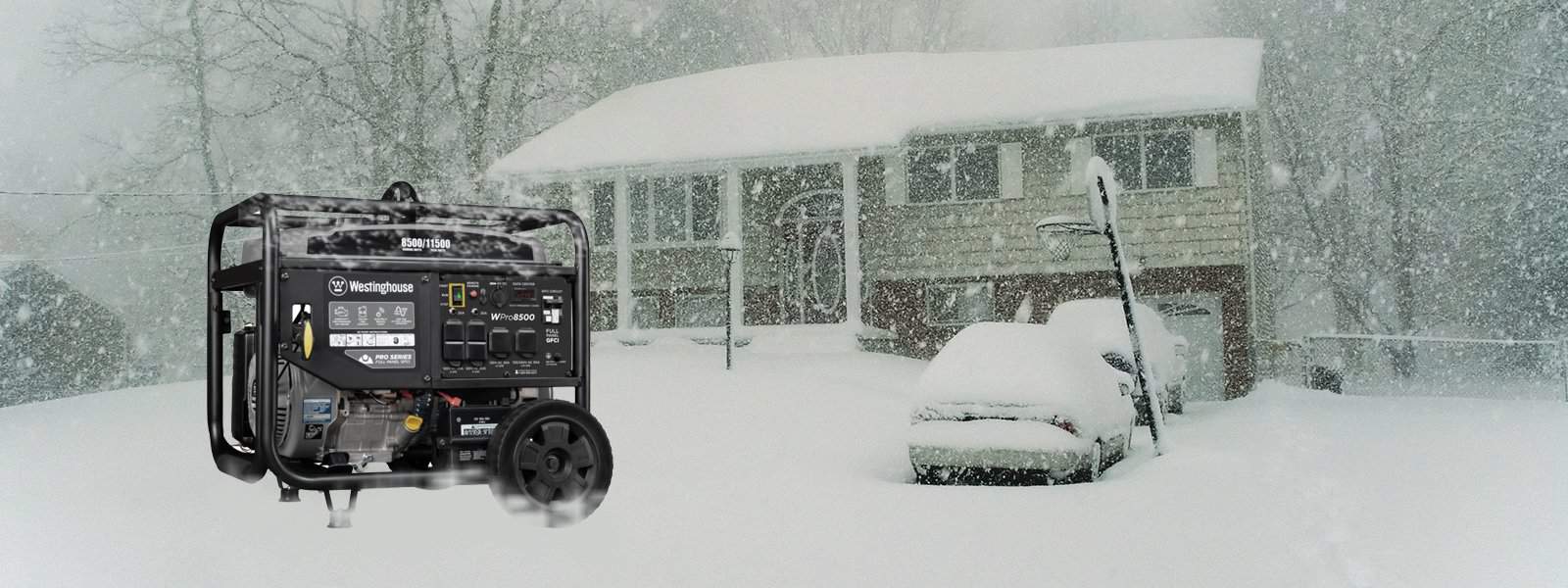
Manufacturer warnings are blunt. Honda’s owner’s manuals say not to use the generator in rain or snow, not to operate it with wet hands, and that moisture or ice can cause a malfunction or short circuit in electrical components that could result in electrocution.
That does not mean the practical answer is “never run a generator during a hurricane outage.” It means never run it exposed. A portable generator is an outdoor machine for CO safety, but its outlets, control panel, and electrical parts still need rain protection.
The workable answer is a purpose-built running cover or canopy that shelters the generator while it operates outdoors with open airflow. GenTent-style covers are made for that job: they protect the electrical side from rain without turning the machine into a sealed hot box.
Check the GenTent running cover price on Amazon →
A tarp thrown over a running generator is not the same thing. A loose tarp can trap heat and exhaust, sag onto hot parts, melt, or ignite. It can also block airflow in ways the engine was never designed to handle.
A proper canopy does not change the CO rule. The generator still belongs outdoors, at least 20 feet from the house, with exhaust aimed away from openings. The cover solves rain exposure; it does not make a porch, garage, carport, shed, or breezeway safe.
Wet-hand discipline matters, too. Do not plug in, unplug, flip switches, or touch the control panel with wet hands. If the panel, receptacles, or cord ends are wet, stop and dry the connection points before you handle them.
Keep cord connections off wet ground where you can. The generator may be protected under a running canopy, but a cord end lying in runoff creates its own shock problem. Treat every connection as part of the system, not as an afterthought.
If the rain protection fails, shut the generator down before you get a short, a shock hazard, or a storm-damaged machine. Trying to “just make it through” with water blowing across the control panel is not worth the risk.
When to shut it down mid-storm
Shut the generator down if winds are strong enough to throw debris into the unit, flip the canopy, or make the operating area unsafe to approach. The machine cannot protect your appliances if it becomes a flying object or starts taking branches through the cover.
Shut it down if water is rising toward the pad. Never run a generator in standing water or on ground that is flooding. If water is moving toward the frame, outlets, engine, or cords, kill the load and stop the engine while you still have a safe path to reach it.
Shut it down for refueling. Standard manufacturer guidance is to turn the generator off and let the engine cool before adding gasoline, because gasoline on hot engine parts can ignite. Do not refuel in blowing rain, over a hot engine, or while you are rushing because the lights are out.
Use a shift-running plan instead of running nonstop just because the power is out. A 12-hours-a-day duty schedule saves fuel and engine hours, and it forces you to think about which loads actually matter. It also gives the machine a cool-down window and gives you time to inspect the canopy, cord route, and ground conditions.
Overnight shutdown is often the safer call during storm conditions. If the generator is off, you are not asleep while it runs, while the wind shifts, while water rises, or while exhaust conditions change around the house. Food, phones, and medical needs may drive your schedule, but the generator should not run unattended through dangerous conditions just for convenience.
Before each restart, walk the setup like it is new. Confirm the exhaust direction, check that openings on the house are closed near the generator side, make sure the canopy is still secure, and look for water under the unit or cord connections.
After the storm: the deadliest window
The quiet after landfall is where generator safety after a hurricane gets people in trouble. CPSC says portable generators are linked to an average of nearly 100 consumer deaths in the U.S. each year from carbon monoxide poisoning, and generator CO can kill in minutes. In its 2026 hurricane-season warning, CPSC specifically stresses that hurricanes can turn deadly long after the wind and rain stop.
The never-list is not negotiable. Never run a generator inside a home, garage, basement, crawlspace, shed, or any other enclosed area, even with doors or windows open. Open doors do not make an enclosed space safe from CO.
The dangerous thought is usually, “just for a few hours.” After a storm, people are tired, hot, wet, and trying to save food, run fans, charge phones, or power tools for cleanup. That is exactly when someone rolls the generator into the garage, tucks it under a porch, or aims the exhaust toward a cracked window.
Do not bring the generator closer because the storm is over. The 20-foot rule still applies during the cleanup phase. Exhaust still needs to point away from windows, doors, and vents, even if those openings are on the far side of the house from where people are sleeping.
Battery-operated CO alarms belong on every level of the home and outside sleeping areas, per CPSC guidance. If an alarm sounds, treat it as real, move people to fresh air, and do not go hunting for the generator problem from inside the house.
Check the First Alert CO400 carbon monoxide alarm price on Amazon →
Our CO poisoning prevention guide covers the symptoms and alarm setup in more detail, but the field rule is simple: if the generator is running, assume exhaust can find a way in unless you placed it correctly and alarms are working.
After the storm, also re-check the electrical side before powering loads again. Cords may have been dragged through water, stepped on during cleanup, or hit by debris. If a connection looks wet, damaged, or questionable, leave it out of service.
Use a clean, deliberate restart sequence instead of plugging everything in at once. Our power-failure generator setup guide explains the basic order for getting a home outage setup organized without overloading the generator or creating cord chaos.
Flooded or soaked generator? Stop before you pull the cord
If floodwater reached the generator, do not try to start it. That includes water reaching the outlets, control panel, engine, or any part of the machine where electrical and fuel systems could have taken water.
Drying the outside proves nothing about the inside. Water in a generator’s electrical and fuel systems is a service-bench problem, not a “let it sit in the sun and pull the cord” problem. Manufacturer moisture warnings about shock and short-circuit risk apply double to a unit that sat in floodwater.
There is a difference between a unit that got rained on while off and a unit that was submerged or flooded. Honda’s owner’s manuals say that if a generator has been stored outdoors unprotected from the weather, you should check all electrical components on the control panel before each use. That is inspection territory for outdoor exposure, not permission to restart a flooded machine.
If the generator ran exposed in rain, treat it more seriously than a covered unit that was off. Moisture may have been pulled, blown, or vibrated into places that are not obvious from the outside. If the control panel, receptacles, switches, or engine area were wet during operation, get professional eyes on it before you trust it again.
Do not walk into floodwater just to retrieve a generator. Floodwater itself is dangerous to walk or drive through, and the National Weather Service keeps plain flood-safety guidance at weather.gov’s flood safety page. A portable generator is not worth getting swept, shocked, injured, or trapped.
Once the water recedes, disconnect loads before touching the generator. Approach only if the ground is stable and dry enough to stand on safely. If the unit is still connected to cords that may have been underwater, treat the whole setup as suspect.
For a soaked-but-not-submerged generator that was off, the path back to service is careful drying, inspection, and a conservative restart only after the control panel and electrical components are dry and sound. For a flooded generator, the answer is different: do not start it until it has been inspected and serviced.
Do not let impatience turn a repairable generator into scrap. Pulling the starter rope or hitting electric start with water inside can create electrical damage, fuel-system problems, shock risk, or all of the above. If floodwater reached the machine, the next stop is a service bench.
Here is the plain field verdict: a soaked-but-not-submerged unit that was off can often be dried, inspected, and returned to service; a unit that ran exposed in the rain or sat in floodwater needs professional eyes.
Bottom line
Run the generator outdoors, at least 20 feet from the house, under a running-rated canopy, on high ground, with exhaust pointed away from openings. Shut it down for refueling, rising water, unsafe wind, or any sign that rain protection has failed.
Treat the quiet days after the storm as the most dangerous ones, because CO risk climbs when people are tired and power is still out. If you are still choosing equipment before the season, start with our hurricane generator guide, then build the setup around distance, rain cover, fuel discipline, and flood avoidance.
Frequently asked questions
Can you run a generator in the rain during a hurricane?
Not exposed. Manufacturers like Honda warn against operating a generator in rain or snow, and they warn that moisture can cause short circuits or electrocution. The workable answer is an outdoor setup with a purpose-built running canopy, never a tarp and never a garage.
Can a generator get rained on while it’s off?
Cover it if you can. Honda’s owner’s manuals say that if a generator has been stored outdoors unprotected from weather, you should check all electrical components on the control panel before each use. A rained-on unit is not the same as a flooded unit, but you still need to inspect it before starting.
Where should a generator be during a hurricane?
Per CPSC guidance, it should be outdoors only, at least 20 feet from the house or building, with exhaust pointed away from windows, doors, and vents. Put it on high ground that will not pond or flood. Use a running-rated canopy for rain protection while keeping open airflow.
Can I run the generator in the garage just during the worst of the storm?
No. CPSC says never run a generator in a garage, basement, crawlspace, shed, home, or other enclosed area, even with doors or windows open. Generator carbon monoxide can kill in minutes.
What do I do with a generator that got flooded?
Do not start it. If floodwater reached the outlets, control panel, engine, or fuel and electrical systems, the generator needs professional service before any restart. Drying the outside does not prove the inside is safe.
When do most generator deaths happen in a hurricane?
After the storm is the most dangerous window. CPSC warns that hurricanes can turn deadly long after the wind and rain stop, during outages and cleanup. CPSC also reports an average of nearly 100 U.S. consumer deaths each year from portable-generator carbon monoxide poisoning.